
Children lost close people? Know the tips to increase the strength of the child’s mind
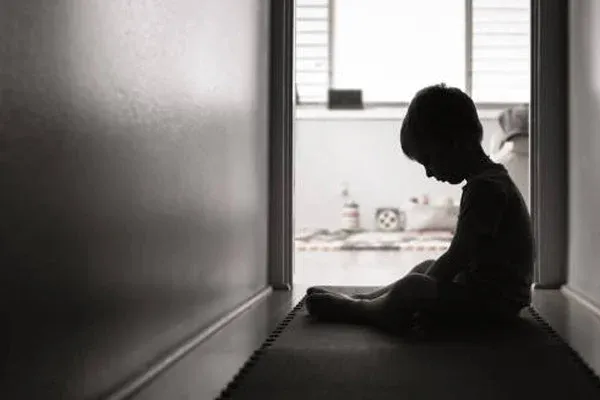
Birth and death are constant. Everyone knows what is on the forehead. But accepting the hard reality like death is not easy at all. Losing loved ones in childhood or adolescence is more difficult to bear. This situation pushes many children towards depression. Therefore, if he is not given special attention at this time, he may be doomed. Let’s find out how to handle him this time.
- Tell your child about the death of a loved one thoughtfully. Don’t waste too much time. Tell directly what happened.
- Watch his next reaction. Little can cry. Don’t interrupt him. Let him cry when his mind is light. Then hug him to your chest. Maybe that will calm him down.
- Again a small sorrow turns to stone. Far from crying, it elicits any kind of response. Tell him to talk. Do not leave the child alone in the cave.
- Children cannot control their emotions in time. So emotions are expressed without any thought. At this time, the little one can behave strangely. Forget it and don’t get impatient. Calm him down by explaining to him calmly.
- Children often get anxious thinking about the changes in life after the death of a loved one. So he gets restless. Calm him down. Explain that changes will come in life. Explain how to adapt to those changes.
- The death of a family member means that there will be some change in the home environment. The movement of people at home will increase. The funeral will be held. Maybe for the first time he will see a body up close. So explain to him exactly what circumstances can happen around a death.
- No matter what, make it clear that you are always there for him. It will strengthen the little mind. Do not suffer from insecurity.
The pain of losing a loved one may be eating away at you too. However, remain as calm as possible in front of him. Keep yourself strong. Try to be normal looking at the child’s face.
Contact to : xlf550402@gmail.com
Copyright © boyuanhulian 2020 - 2023. All Right Reserved.