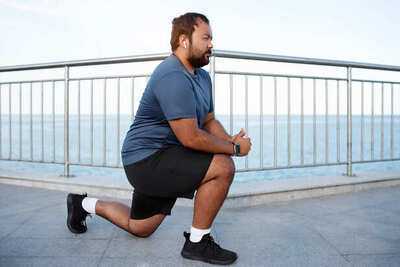
Fatty liver disease is becoming increasingly common across the world, especially due to modern lifestyle habits such as poor diet, lack of exercise, and rising obesity levels. Doctors explain that in many cases, early-stage fatty liver, also known as metabolic dysfunction-associated steatotic liver disease, can be improved and even reversed through consistent lifestyle changes. Research shows that the liver has a strong ability to heal when harmful fat buildup is reduced and healthy habits are followed regularly. Studies also highlight that simple daily actions like improving diet quality, increasing physical activity, and managing body weight can significantly reduce liver fat and inflammation over time.
1. Maintaining a Healthy and Gradual Weight Loss
One of the most important expert-backed habits for reversing fatty liver is maintaining healthy body weight. Medical research consistently shows that losing even a small percentage of body weight can reduce fat stored in the liver and improve liver function. Doctors often suggest gradual weight loss rather than rapid dieting because slow and steady progress is safer and more sustainable for liver health. In many cases, reducing body weight by just a few percent can already show measurable improvement in liver fat levels. This habit is important because excess fat in the body often contributes directly to fat accumulation in the liver, making weight management a key factor in recovery.
2. Following a Liver-Friendly Balanced Diet

Experts strongly recommend improving daily eating habits as a core step in reversing fatty liver. Diets rich in vegetables, whole grains, lean proteins, and healthy fats such as those found in nuts, seeds, and olive oil are commonly suggested. At the same time, reducing added sugar, refined carbohydrates, and processed foods plays a major role in lowering liver fat buildup. Medical guidance also highlights that diets like the Mediterranean-style eating pattern may support liver health and reduce inflammation in the body. This habit works because the liver processes most nutrients directly, so reducing harmful food intake allows it to recover gradually.
3. Regular Physical Activity and Movement
Another expert-supported habit is consistent physical exercise. Studies show that both aerobic activities like walking, cycling, or swimming and strength training exercises can help reduce fat accumulation in the liver. Even moderate exercise performed regularly during the week has been shown to improve liver enzyme levels and support fat reduction in liver cells. Doctors explain that physical movement improves how the body uses insulin and energy, which directly affects liver fat storage. This means that even simple daily activity, if done consistently, can contribute to long-term liver improvement.
4. Reducing Sugar and Processed Food Intake
One of the most important expert warnings is about the role of sugar and ultra-processed foods in fatty liver disease. High intake of refined sugar, especially from sweetened beverages and packaged snacks, is strongly linked to fat buildup in the liver. Doctors suggest limiting these foods as much as possible to prevent further damage. Instead, focusing on whole foods helps reduce the metabolic stress placed on the liver. This habit is considered essential because excess sugar is one of the primary drivers of fat production inside liver cells. Over time, reducing sugar intake allows the liver to gradually reduce stored fat and improve overall function.
5. Managing Underlying Health Conditions and Lifestyle Balance
Experts also emphasize that fatty liver is often linked with conditions like insulin resistance, diabetes, high cholesterol, and poor sleep habits. Managing these underlying issues plays a major role in improving liver health. Improving sleep quality, reducing stress, and controlling blood sugar levels can significantly support liver recovery. In many cases, fatty liver develops silently alongside metabolic imbalance, so addressing the root cause is just as important as diet or exercise alone. This holistic approach helps the liver heal more effectively and reduces the risk of progression to more serious conditions.
Conclusion
Fatty liver is not a sudden condition but a gradual buildup of lifestyle-related factors. The good news is that experts agree it can often be improved in early stages through consistent daily habits. Maintaining a healthy weight, eating balanced meals, staying physically active, reducing sugar intake, and managing overall metabolic health all work together to support liver healing. While no single habit works alone, combining these expert-backed changes gives the liver a better chance to repair itself naturally over time. The key is consistency, not quick fixes, and small daily improvements can lead to meaningful long-term health benefits.
Unlock insightful tips and inspiration on personal growth, productivity, and well-being. Stay motivated and updated with the latest at My Life XP.
Contact to : xlf550402@gmail.com
Copyright © boyuanhulian 2020 - 2023. All Right Reserved.