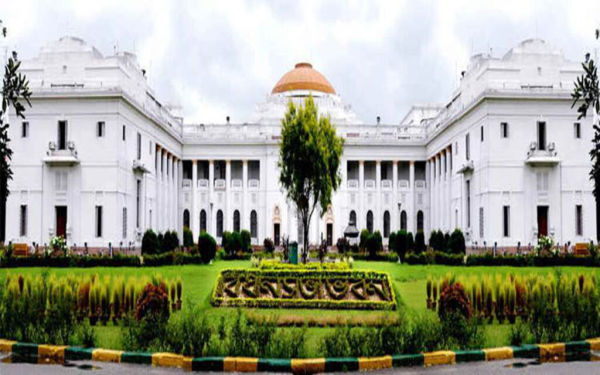
digital desk- The politics of West Bengal is currently at a juncture where political maneuvers and constitutional provisions are at loggerheads. Chief Minister Mamata Banerjee has not resigned from the post, but the Governor has dissolved the Assembly. The swearing in of the new government of Bharatiya Janata Party (BJP) is proposed on 9 May. In such a situation, it is important for every citizen to understand how the governance of the state will run during this short period of ‘transition period’. According to Article 172 of the Indian Constitution, the tenure of any Legislative Assembly is five years from its first meeting. The House ceases to exist upon completion of its term or upon its dissolution by the Governor. According to Supreme Court experts, when the Assembly no longer exists, the legislative power of the Council of Ministers also diminishes. Since the basis of a democratic government is the ‘confidence’ of the House and the House itself has been dissolved, then the legal basis of the old government is automatically considered abolished.
Is it possible to remain in office without resignation?
It is often believed that unless the Chief Minister resigns, he remains in office, but the language of the Constitution is different. Article 164 makes it clear that the Chief Minister and Ministers hold office during the pleasure of the Governor. In practice, the Chief Minister is the one who enjoys majority in the House. If the Assembly has been dissolved, not resigning may only be a political message, but it is not a ‘constitutional shield’. The Governor can grant ‘caretaker’ status to the old government until new arrangements are in place, but if such a notification is not issued, the Chief Minister is effectively considered out of office.
Who is in command of the state during the transition period?
When the constitutional basis of the old government ends and the new elected government is yet to be sworn in, there is a possibility of an ‘administrative vacuum’ being created in the state. In such a sensitive situation, the role of the Governor becomes very important and decisive. During this period, to maintain administrative continuity, all senior officers like the Chief Secretary of the State, Home Secretary and Director General of Police work directly under the supervision and guidance of the Governor. The Raj Bhavan ensures that the pace of governance does not come to a halt and, as a constitutional guardian, ensures the smooth completion of the process of formation and swearing-in of the new government. However, in accordance with democratic norms, during this interim period, the Governor or the administration has limited powers and cannot take any major policy decision or decision with far-reaching impact. Their main objective is only to keep the system orderly till the arrival of the new government.
Difference between President’s rule and present situation
Many people may mistake it for President’s rule, but it is not President’s rule imposed under Article 356. President’s rule is imposed when the constitutional machinery of the state fails completely. The present situation of Bengal is called ‘constitutional transition’. It is a short interval between two governments, where administration is limited to routine tasks only.
Which decisions can be taken and which cannot?
According to constitutional norms and established democratic traditions, during this interim or transitional period between two governments, it is mandatory for the ruling entity to observe special restraint and limitations in the exercise of its powers. During this period, it is completely prohibited to announce any kind of new policies, make large-scale government appointments, take huge financial approvals or take such long-term political decisions that can affect the action plan of the incoming new government. On the contrary, routine administrative functions are allowed to continue in order to maintain public interest and continuity of the state. This includes smooth operation of essential civil services like hospitals, electricity, water, maintaining law and order, ensuring payment of salaries and pensions of government employees and disposing of only those emergency files which cannot be avoided. In simple words, during this period the wheels of the state keep turning, but the administration does not pursue any new political or policy agenda.
Current status of Mamata Banerjee
According to legal experts, if the Governor has issued the notification to dissolve the Assembly, then Mamata Banerjee is no longer in a position to take any statutory administrative decision. She can make statements or protest as a leader of a political party, but the validity of her signature on government files will now be questionable. If he is not appointed ‘Acting Chief Minister’ by the Governor, his role remains only that of an outgoing leader.
Contact to : xlf550402@gmail.com
Copyright © boyuanhulian 2020 - 2023. All Right Reserved.