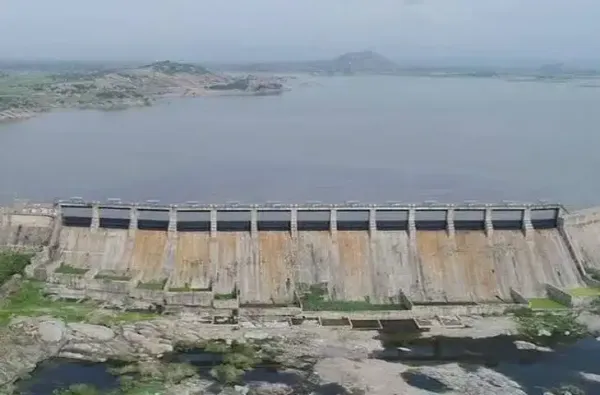
Jawai Dam, built amidst the rocky hills of Aravali in Pali district of Rajasthan, is not just a big reservoir of water. This is an area where on one side a huge body of water is visible and on the other side one can see leopards nesting in the hills and caves. This unique natural world of Jawai makes it one of the major wildlife tourist destinations of Rajasthan.
Jawai Dam is built on Jawai River, which further becomes a tributary of Luni River. The dam is located around Sumerpur and is important for western Rajasthan in terms of irrigation and water supply. According to a Rajasthan government source, the construction of Jawai Dam started in 1946 during the time of Maharaja Umed Singh and was completed in 1956.
The dam was built to meet the water needs
The main objective of the construction of Jawai Dam was to increase the availability of water in the area and promote irrigation. With time this reservoir also became important for the water needs of the surrounding areas. When it rains in the catchment area of the dam, its water proves to be very useful for the surrounding area.
The area around Jawai Dam is also special due to its geographical structure. Here, natural caves are formed between big granite stones and rocky hills.
leopards live in rocks
The biggest identity of Jawai is the leopards living here. Rocky hills and natural caves provide suitable places for these wildlife to live and hide. This is why Jawai is counted among the major leopard safari areas of the country.
There are two areas of Jawai Bandh Panther Conservation Reserve registered in the records of Rajasthan Forest Department. The 2024 wildlife census recorded 15 leopards in Jawai Dam Panther Conservation Reserve-I and 19 leopards in Reserve-II.
Unique coexistence of humans and leopards
The specialty of Jawai is not just the presence of leopards. Here, local rural communities and wildlife have been living in the same natural area for a long time. The traditional cattle rearing culture of the Rabari community can also be seen around Jawai.
According to tourism sources, leopards live here in the rocky hills and in the surrounding rural areas the cattle herder community is present with their traditional lifestyle. This co-existence of humans and wildlife makes Jawai different from other safari areas.
Crocodiles and migratory birds are also attractions
Jawai Dam is not only important for leopards. Crocodiles and many types of birds are also seen in the reservoir and its surrounding areas. The natural view here becomes more attractive in winter due to the presence of migratory birds.
If you look at the rocks around the dam in the morning and evening, you can get a chance to see wildlife. However, there is no guarantee of spotting any wildlife in the forest and it is important to follow the instructions of the forest department and local guides during the safari.
Jawai has become a wildlife destination today
Today Jawai Dam is included in those tourist destinations of Rajasthan where history, water, mountains, rural culture and wildlife can be seen together. Rajasthan Forest Department has notified separate conservation areas in Jawai Dam and surrounding area.
This is the reason why Jawai has now become recognized not only as a dam, but also as the rocky world of leopards and a unique center of natural tourism. The calm reservoir here and the Aravalli rocks spread around it give a completely different kind of tourism experience, different from the traditional forts and palaces of Rajasthan.
Contact to : xlf550402@gmail.com
Copyright © boyuanhulian 2020 - 2023. All Right Reserved.