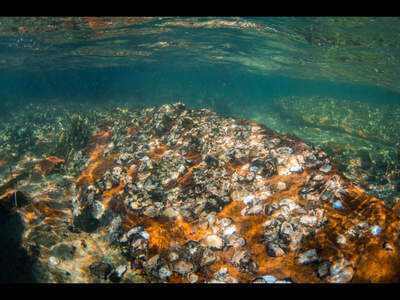
Oysters are not just great as culinary delicacies; they can be nature’s water filters. As per a report by The Conversation, oysters were absent in Dublin Bay for over 200 years. Once ample along the Irish coast, they were abundant in the tidal flats and shaped the coastal economy. They were a mainstay of the diet of people who lived on the coastline, a touchstone of coastal trade in the 18th and 19th centuries. However, according to Science Direct, by the middle of the 19th century, the oyster beds were destroyed – due to overfishing, habitat decimation, pollution, etc. Oysters have been a part of Ireland’s diet for over 4,000 years. The disappearance of oyster beds were loss of ecological resources as well as culinary resources.
However, in November 2025, more than 18,000 oysters returned to the bay due to the combined, relentless efforts of the , a not-for-profit marine environmental organisation, and the . The oysters were carried in 300 floating flip baskets to allow the birds to remove fouling that could prevent the flow of seawater through the baskets.
Oysters Are Nature’s Filter
As per The Conversations, oysters are nature’s filters. Each oyster can contain upto 200 litres of water, drawing in microscopic algae, sediments and pollutants and releasing purified water back to its source.
Oysters Can Also Prevent Coastal Loss
Once an oyster reef is formed, it acts like a natural water filter, working as a living system that cleans the water, keeps shorelines steady, offers homes for sea animals, and helps protect against damage from coastal erosion.
Researchers want to bring back and think about the important role that oysters play. DCU's work uses field monitoring, sensors placed in the environment, chemical testing, and checks on living organisms to learn how oysters grow and stay alive when the environment changes a lot. These changes include things like medicines, chemicals used in farming, old pollutants that are still around, and tiny plastic pieces.
Oyster Shells Can Also Help Experts Predict Damage To The Ocean
Through studying shell composition and biochemical responses, experts can predict the extent of damage wrought upon the sea from pollution and environmental changes.
Oyster Reefs Can Also Improve Quantity Of Fish
According to an Ocean Wealth report, oyster reefs provide refuge to fishes and invertebrates and also serve as foraging grounds. Fifteen fish species and four crustacean species were discovered at greater densities on oyster reef habitat, as compared to unstructured habitat in the Gulf of Mexico, whereas eleven fish species and one crustacean species were found onthe Atlantic coast.
Contact to : xlf550402@gmail.com
Copyright © boyuanhulian 2020 - 2023. All Right Reserved.