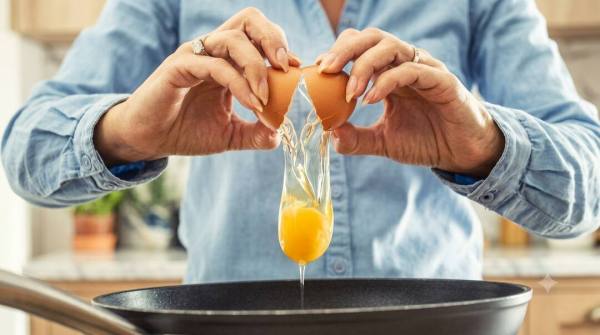
Eggs are a common part of everyday diets and are used in everything from breakfast dishes to a variety of recipes. They are also a good source of protein, vitamins and minerals. However, concerns about food adulteration often make people wonder whether the eggs available in the market are genuine or fake. Social media platforms also frequently see videos and claims about plastic or fake eggs going viral. This raises an important question: How can you tell whether an egg is real or fake? Can it be checked at home?
What Are Fake Or Plastic Eggs?
Fake or plastic eggs are said to be man-made products designed to look like real eggs. They may be made using materials such as chemicals, resin or plastic instead of actual egg contents. However, fake eggs are not commonly found in the market on a large scale. An egg that looks or behaves differently does not necessarily mean it is fake. Changes can sometimes occur because of improper storage, age or other factors. Therefore, simply noticing that an egg looks unusual is not enough to prove that it is artificial.
Why Is It Important To Check Eggs?
Eggs are a good source of protein, vitamins and minerals. The protein in eggs supports muscle growth, repair and several normal bodily functions. An egg can provide around 6-7 grams of protein. Eggs also contain nutrients such as vitamin D and phosphorus, which contribute to maintaining healthy bones and teeth. This makes eggs a useful part of the diet for children, athletes and older adults. At the same time, spoilt or improperly stored eggs can increase the risk of foodborne illness, stomach infections and diarrhoea. Children, older adults, pregnant women and people with weakened immunity may be more vulnerable to foodborne illnesses. This is why it is important to pay attention to the freshness and storage of eggs.
READ MORE | Must-Have Kitchen Essentials: The Buys That Actually Earn Their Place On Your Counter
How To Check Eggs At Home?
A laboratory test is the most reliable way to establish whether an egg is fake or genuine. However, a few simple checks at home can help you get an idea about an egg's freshness and general quality.
Hold the egg close to your ear and gently shake it. A fresh egg generally does not produce much sound, and you may not feel much movement inside it. In an older egg, changes inside the shell can cause a slight sound or a sensation of liquid moving when it is shaken. However, this test is mainly useful for assessing freshness and cannot confirm whether an egg is fake.
Pay attention to the texture of the eggshell. A genuine eggshell can naturally have a slightly rough or grainy surface. If an egg appears unusually smooth, extremely shiny or wax-like, you may want to pay closer attention to its quality. However, the appearance of the shell alone cannot prove that an egg is fake.
Smell can also provide an indication of whether an egg has gone bad. A spoilt egg may have an unpleasant or strong odour. In some cases, an unusual smell may be noticeable even before the egg is fully used. If an egg has an abnormal or foul smell, it is better to avoid consuming it.
Crack the egg into a clean bowl and carefully observe the yolk and egg white. A fresh egg generally has a firm, rounded yolk, while the egg white may appear thicker around the yolk. If the egg has an unusual colour, strange texture, watery consistency or an abnormal appearance, it may indicate that the egg is old, spoilt or has not been stored properly.
READ MORE | Winter Dishwashing Tips: Wash Utensils Comfortably Without A Geyser In Cold Weather
Does Eggshell Colour Tell You If An Egg Is Real Or Fake?
No. The colour of an eggshell does not determine whether an egg is real or fake. Eggshell colour can vary depending on the breed of the hen and other factors. Eggs may be white, off-white, light brown or dark brown. Therefore, you cannot determine whether an egg is genuine simply by looking at its colour. If an egg appears unusually polished or has an unnatural shine and texture, its quality can be examined more carefully. However, these visual characteristics alone are not enough to establish that an egg is fake.
What Is The Most Reliable Way To Identify A Fake Egg?
Home checks can help you assess an egg's freshness and general condition, but they cannot conclusively establish whether an egg is artificially made. If there is a genuine concern about whether an egg is fake, laboratory testing is the most reliable way to verify it. So, do not assume that an egg is fake simply because its shell looks different, feels unusually smooth or behaves differently during cooking. Factors such as storage, freshness and the age of the egg can also affect its appearance and texture.
Contact to : xlf550402@gmail.com
Copyright © boyuanhulian 2020 - 2023. All Right Reserved.